Mechanics of Bonus Structures in Swiss-Regulated Slot Games and Their Impact on Player Safety Protocols
Lars Bennett · Nov 2, 2026
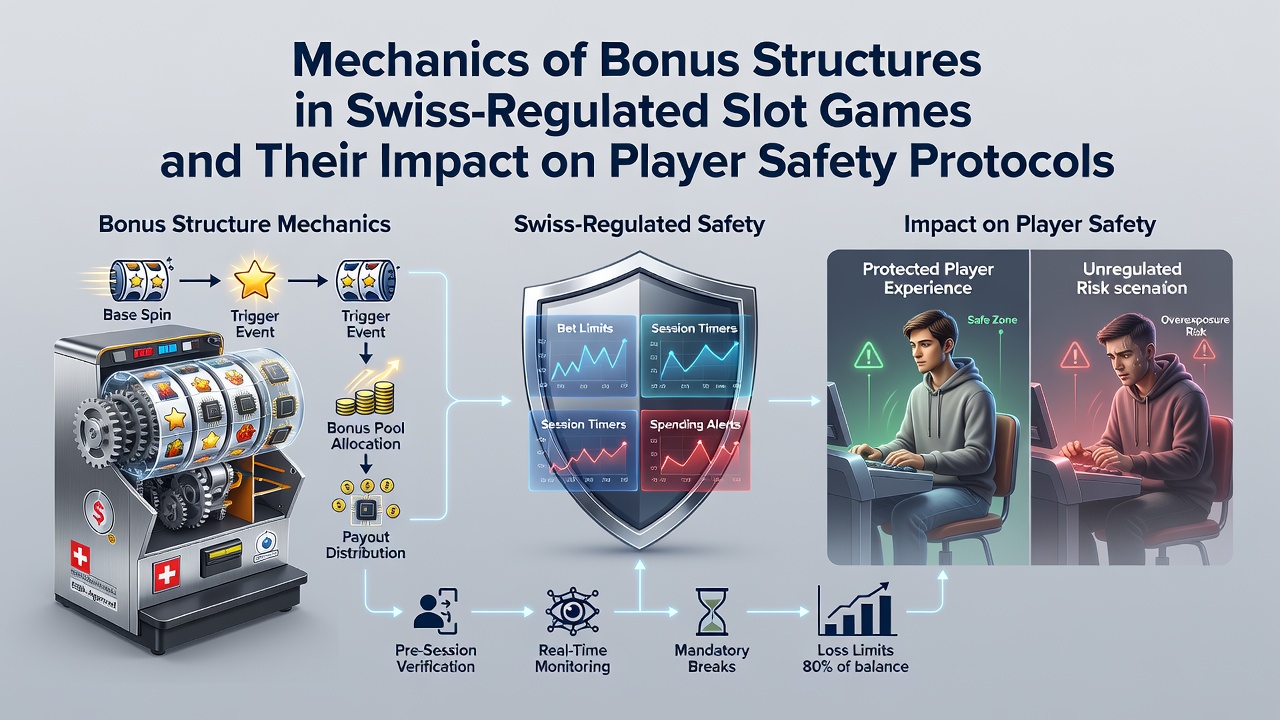
Swiss Slot Game Bonus Frameworks and Their Role in Enhancing Player Protection Standards
Swiss authorities maintain strict oversight of online slot operations through the Federal Act on Gambling which came into full effect in 2019 and continues to shape licensing requirements as of November 2026. Operators must secure authorization from the Swiss Federal Gaming Board before offering any bonus structures and this process includes detailed reviews of payout mechanics along with player protection measures. Data from licensed platforms shows that bonus offers typically fall into categories such as deposit matches, free spin allocations and loyalty rewards yet each category carries mandatory wagering thresholds that range from 20x to 40x depending on the game type and stake level. These thresholds connect directly to automated verification systems that track player deposits and withdrawals in real time. When a bonus activates the system locks associated funds until wagering completes and this mechanism prevents premature cashouts that could encourage repeated high-risk play. Research from the Swiss Institute for Addiction Research indicates that platforms enforcing these locks report lower instances of rapid deposit cycles among users compared with unregulated environments.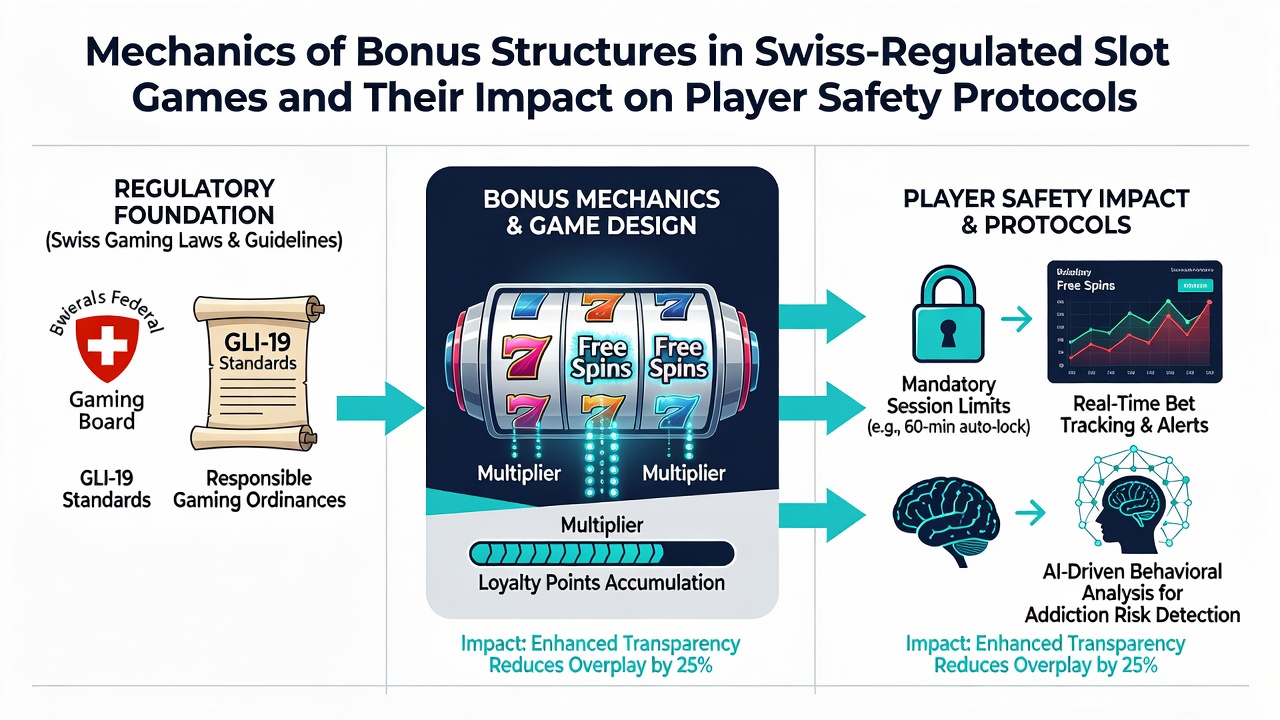
Swiss authorities maintain strict oversight of online slot operations through the Federal Act on Gambling which came into full effect in 2019 and continues to shape licensing requirements as of November 2026. Operators must secure authorization from the Swiss Federal Gaming Board before offering any bonus structures and this process includes detailed reviews of payout mechanics along with player protection measures. Data from licensed platforms shows that bonus offers typically fall into categories such as deposit matches, free spin allocations and loyalty rewards yet each category carries mandatory wagering thresholds that range from 20x to 40x depending on the game type and stake level. These thresholds connect directly to automated verification systems that track player deposits and withdrawals in real time. When a bonus activates the system locks associated funds until wagering completes and this mechanism prevents premature cashouts that could encourage repeated high-risk play. Research from the Swiss Institute for Addiction Research indicates that platforms enforcing these locks report lower instances of rapid deposit cycles among users compared with unregulated environments.Core Components of Bonus Calculations
Bonus structures operate through algorithms that factor in return-to-player percentages which Swiss rules require to stay above 85 percent for all approved titles. A welcome package might award 100 percent of a first deposit up to a capped amount while free spins carry fixed values tied to specific slot titles. Observers note that progressive elements within these bonuses link to shared jackpot pools across multiple cantons and activation requires certified transaction logs that confirm player identity and age before any credits post to the account. Wagering contributions vary by game category with slot spins counting at 100 percent toward requirements whereas table games often contribute only 10 percent or less. This differentiation steers players toward approved slot titles that already embed safety features such as session timers and loss-limit prompts. Figures from the Swiss Lottery and Betting Association reveal that average bonus redemption rates sit near 65 percent with the majority of completions occurring within seven days of activation.Integration with Safety Protocols
Safety protocols embed into bonus delivery through mandatory cross-checks against national self-exclusion registers. Any player listed in the register cannot receive or activate bonuses and this block updates daily across all licensed operators. Deposit limits set by the player interact with bonus mechanics by scaling the maximum bonus amount proportionally so larger deposits do not automatically unlock oversized rewards that might exceed personal risk thresholds. In November 2026 several platforms introduced enhanced real-time monitoring that flags unusual bonus claim patterns such as multiple accounts from the same device and these alerts trigger temporary holds pending manual review. Studies conducted by the University of Lausanne's gambling research unit demonstrate that such interventions correlate with reduced problem gambling indicators among Swiss users when measured against baseline data from prior years.